Hand-Drawn Brush Stroke Art: A Practical Guide for Creative Workflows
In the landscape of modern digital design, the tension between precision and personality often defines a project's success. Hand-Drawn Brush Stroke Art serves as a critical bridge between rigid vector geometry and organic human expression. For professionals ranging from brand managers to freelance illustrators, integrating these assets is not merely about adding decoration; it is a strategic decision that influences user perception, workflow efficiency, and the overall aesthetic consistency of a campaign. Understanding how to leverage these assets effectively requires looking beyond their visual appeal and examining their role within the broader creative process.
The Role of Organic Textures in Professional Design
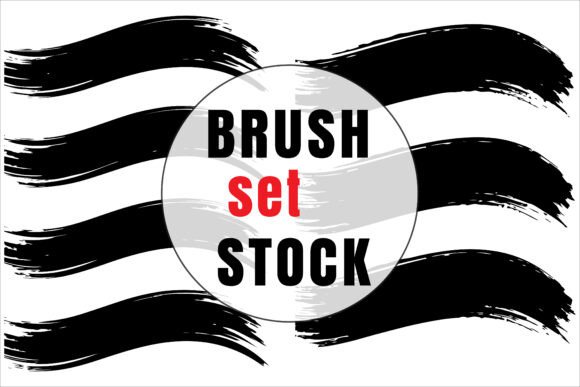
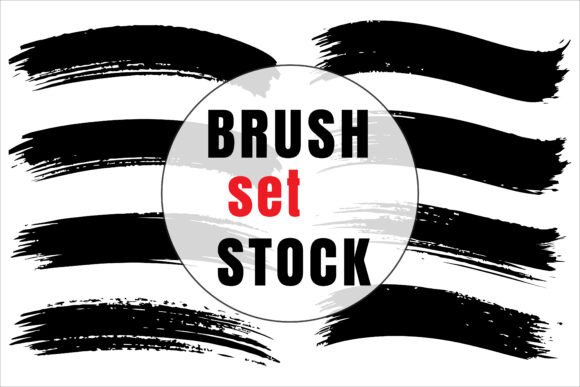
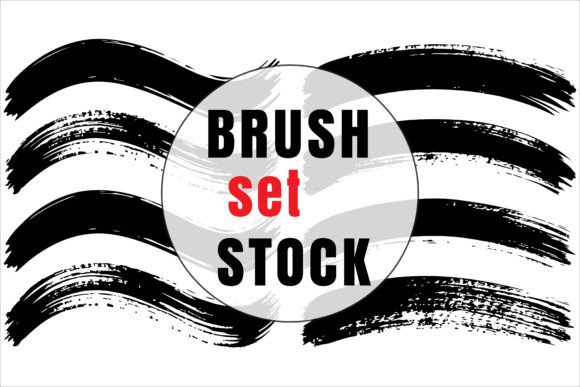
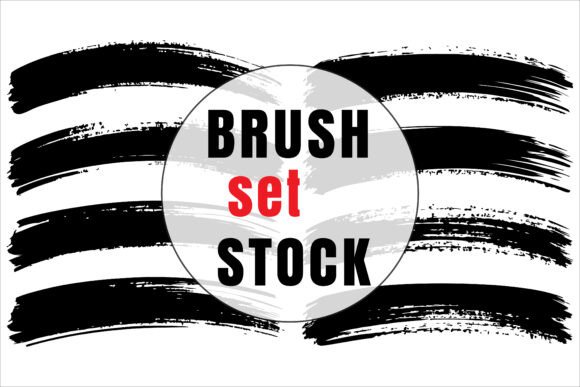
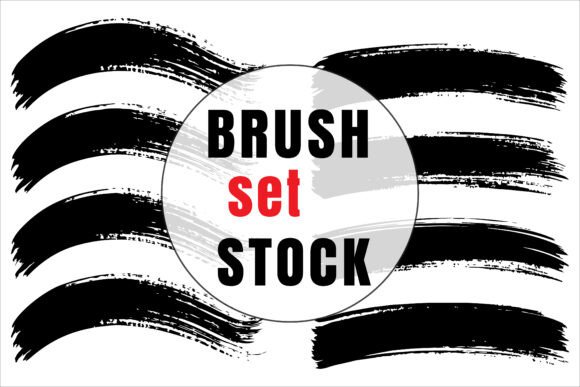
Hand-Drawn Brush Stroke Art represents a specific category of digital assets that mimic the fluidity of traditional media—watercolor, ink, or acrylic paint—within a scalable vector or high-resolution raster format. Unlike standard geometric shapes or stock photography, these elements introduce texture, movement, and imperfection. In a professional context, this "imperfection" is a feature, not a bug. It signals authenticity and craftsmanship, qualities that are increasingly valued in an era dominated by AI-generated perfection and sterile templates.
When planning a design project, the decision to incorporate brush strokes should occur during the conceptual phase. This is where you define the tone of voice visually. If your goal is to convey stability and engineering precision, heavy reliance on hand-drawn elements might dilute the message. However, if the objective is to evoke creativity, approachability, or artistic flair, these assets become foundational. They interact with other design elements by breaking up negative space, guiding the viewer's eye, and adding depth to flat compositions. By treating them as functional components rather than afterthoughts, designers can create more cohesive and engaging visual narratives.
Workflow Integration: From Concept to Final Output
The utility of Hand-Drawn Brush Stroke Art extends across every stage of the production pipeline. Before a single pixel is placed, the selection of appropriate brush styles helps establish the mood board. During the execution phase, these assets act as versatile building blocks that can be layered, masked, and color-adjusted to fit specific brand guidelines. Post-production involves ensuring that the resolution and file formats maintain quality across different output channels, from high-definition screens to large-format prints.
Efficiency in this workflow depends heavily on the quality and versatility of the source files. A robust asset pack typically includes both EPS Files and JPG Files. The inclusion of EPS (Encapsulated PostScript) vectors is crucial for scalability. Vectors allow designers to resize brush strokes to any dimension without losing clarity, which is essential when moving from a small social media icon to a massive billboard. Conversely, JPG files offer immediate compatibility for web use, presentations, or quick mockups where vector editing is unnecessary. Having both formats ensures that the asset remains usable regardless of the software environment or the final delivery method.
Strategic Applications Across Industries
The versatility of these assets allows them to function in diverse scenarios. Below are ten primary applications where Hand-Drawn Brush Stroke Art drives value and enhances professional output:
- Graphic Design Projects: Use these strokes as dynamic backgrounds, subtle textures, or bold accents in posters, flyers, and banners. They prevent designs from feeling static and add a layer of visual interest that captures attention immediately.
- Branding and Logos: Incorporating an artistic touch into logos can differentiate a business in a crowded market. Promotional materials featuring custom brushwork suggest a brand that values creativity and human connection over mass-produced aesthetics.
- Social Media Content: In the fast-paced environment of social platforms, eye-catching graphics are vital. These assets are perfect for post designs, story highlights, and overlay effects that stop the scroll and encourage engagement.
- Print Materials: Whether designing brochures, business cards, or packaging, the tactile quality of brush strokes translates well to physical media. They add a premium feel that elevates the perceived value of the product.
- Fashion and Textiles: T-shirt designs, fabric patterns, and accessories benefit from the unique flow of hand-drawn lines. These patterns can be repeated or manipulated to create distinctive looks that stand out in retail environments.
- Digital Art and Illustration: Digital artists use these vectors for layering and composition. They serve as a base for mixed-media illustrations, allowing for complex depth without the need for hours of manual painting.
- Web Design: Website banners, headers, and decorative elements gain character through brush strokes. They help break the grid layout of standard websites, creating a more immersive and less corporate user experience.
- Stationery and Personalization: Invitations, greeting cards, and personalized letterheads require a touch of elegance. Hand-drawn elements provide a warm, inviting aesthetic that feels personal and thoughtful.
- Marketing Campaigns: Bold visuals are the backbone of successful ads. Using high-contrast brush strokes can create focal points that direct attention to key calls to action or promotional offers.
- Home Décor: Canvas art, wallpapers, and decorative prints transform living spaces. These assets allow interior designers and homeowners to bring gallery-quality art into their homes at a fraction of the cost of original paintings.
Technical Considerations and Compatibility
Successful implementation relies on understanding how these files interact with your existing toolkit. When working with EPS Files, ensure your design software (such as Adobe Illustrator, CorelDRAW, or Affinity Designer) supports vector manipulation. This allows you to ungroup strokes, change stroke weights, and adjust colors to match your brand palette exactly. This level of control is essential for maintaining consistency across a suite of marketing materials.
For JPG Files, the focus shifts to resolution and compression. High-resolution JPEGs are necessary for print to avoid pixelation, while optimized versions are better suited for web performance. A common workflow error involves using low-res images for large-scale prints, resulting in blurry outputs. Always verify the DPI (dots per inch) before committing to a print run. Furthermore, consider how these assets layer with typography. Brush strokes work best when they complement text rather than compete with it. Using opacity adjustments or blending modes can integrate the texture seamlessly behind headlines, enhancing readability while adding depth.
Optimizing Your Creative Process
To maximize the return on investment for these assets, organization is key. Create a dedicated library within your design software where you store your most frequently used brush strokes. Tagging them by style, color, and thickness allows for rapid retrieval during tight deadlines. This practice reduces the time spent searching for the right element and keeps the creative momentum flowing.
Quality control is another critical factor. Before finalizing a project, review the brush strokes at 100% zoom to check for jagged edges or unwanted artifacts, especially when converting vectors to raster formats. Consistency in application also matters; if you choose a rough, textured brush style for a logo, ensure that supporting materials reflect a similar aesthetic to maintain brand coherence. Avoid mixing disparate styles unless the intention is a deliberate collage effect.
Long-Term Value and Adaptability
The true value of Hand-Drawn Brush Stroke Art lies in its adaptability. Trends in design shift rapidly, but the fundamental appeal of human-made textures remains constant. By investing in high-quality, multi-format asset packs, you future-proof your creative resources. These files can be repurposed years later for new campaigns, updated branding, or entirely different industries without requiring a new purchase.
Furthermore, these assets empower non-designers. Entrepreneurs, bloggers, and small business owners who may not have advanced illustration skills can still produce professional-grade visuals by leveraging pre-made brush strokes. This democratization of design tools levels the playing field, allowing smaller entities to compete visually with larger corporations. The ability to quickly assemble a polished look using reliable, versatile components streamlines the entire production cycle, from initial concept to final distribution.
Ultimately, integrating Hand-Drawn Brush Stroke Art into your workflow is about making intentional choices that enhance communication. Whether you are designing a website header, a fashion collection, or a marketing flyer, these elements provide the necessary spark to turn a good design into a memorable one. By understanding their technical requirements and strategic applications, you can harness their full potential to drive engagement and elevate your professional output.