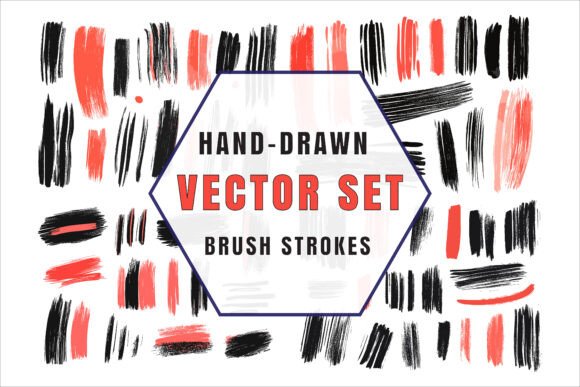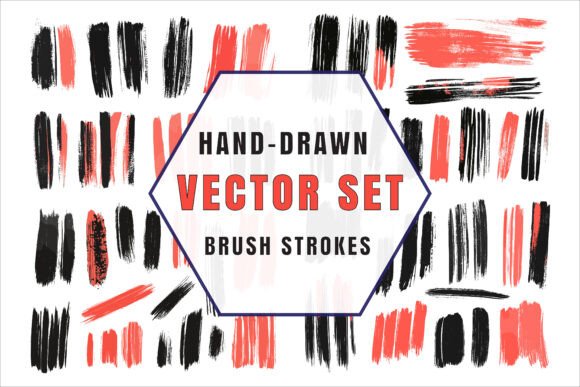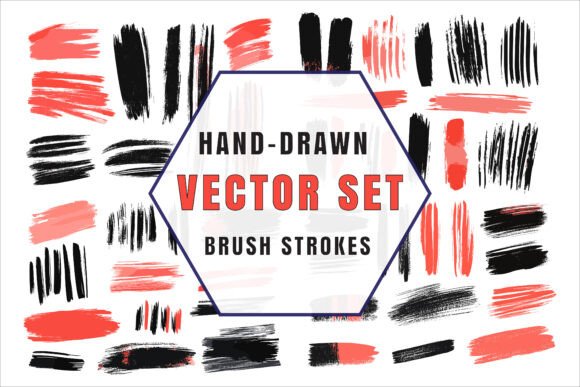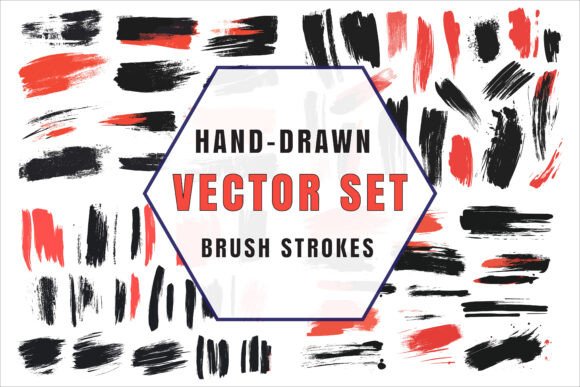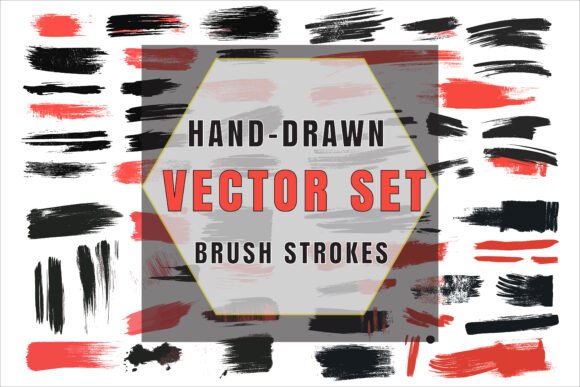
Artistic Brush Strokes Vector Designs: A Practical Guide for Modern Creatives
In the fast-paced world of visual communication, the balance between digital precision and organic texture is often the defining factor in a design's success. Artistic Brush Strokes Vector Designs offer a unique solution to this challenge, bridging the gap between hand-drawn authenticity and scalable vector technology. For professionals ranging from freelance illustrators to corporate marketing teams, these assets are not merely decorative; they are functional tools that streamline workflows, enhance brand identity, and add a layer of human expression to digital projects.
Understanding how to integrate these designs into your creative process requires looking beyond their aesthetic appeal. It involves recognizing their role in the broader ecosystem of design production, from initial concepting to final delivery. Whether you are crafting a logo, designing a website background, or preparing print materials, the versatility of vector brush strokes allows for consistent quality across various mediums without the loss of resolution.
The Strategic Value of Vector Brush Strokes in Design Workflows
When approaching a new project, the choice of assets determines the efficiency of the entire workflow. Traditional raster images (like JPGs) can pixelate when scaled, creating technical hurdles during the execution phase. In contrast, Artistic Brush Strokes Vector Designs maintain crisp edges and smooth curves regardless of size. This scalability is critical for businesses and creators who need a single asset to function effectively on everything from a small social media icon to a large-scale wall mural.
Integrating these vectors early in the planning stage can significantly reduce revision time. Instead of spending hours manually painting textures or searching for stock photography that matches a specific mood, designers can utilize pre-made vector bundles to establish a visual tone quickly. These assets serve as dynamic building blocks that interact seamlessly with other design elements, such as typography, geometric shapes, and solid color fields. By incorporating them during the ideation phase, you create a foundation that supports both creativity and technical consistency.
File Formats and Technical Compatibility
A crucial aspect of utilizing any digital asset is understanding the file structure and its compatibility with your software suite. The standard bundle for high-quality brush stroke collections typically includes two primary formats: EPS files and JPG files. Each serves a distinct purpose within the production pipeline.
- EPS Files: These are the core editable vector files. They are essential for professional applications where scaling, color manipulation, and path editing are required. Compatible with industry-standard software like Adobe Illustrator, CorelDRAW, and Affinity Designer, EPS files allow you to deconstruct the brush strokes, adjust anchor points, and change colors to match your specific brand guidelines. This level of control is vital for maintaining quality control throughout the design process.
- JPG Files: While less flexible than vectors, high-resolution JPG previews are invaluable for quick mockups, presentations, and web-based drafts. They provide an immediate visual reference of how the strokes look in a finished context, allowing stakeholders to visualize the end product before the detailed vector work begins.
Ensuring you have access to both formats streamlines the handoff process between designers, developers, and clients. It eliminates the friction of format conversion and ensures that the artistic intent remains intact from the sketchpad to the final output.
Implementing Brush Strokes Across Key Design Categories
The true power of Artistic Brush Strokes Vector Designs lies in their adaptability. They are not confined to a single niche but rather permeate various sectors of the creative industry. Here is how these assets fit into specific real-world applications:
Brand Identity and Logo Design
For businesses seeking a bold, artistic edge, integrating brush strokes into logo design creates an immediate sense of movement and personality. Unlike rigid geometric logos, a logo featuring flowing, textured strokes suggests creativity, energy, and a human touch. When developing a brand identity, these vectors can be used to frame text, underline headlines, or form the core shape of the mark itself. The key is to ensure the strokes complement the brand voice—using vibrant, colorful swirls for a playful brand or minimalist, ink-like lines for a contemporary, sophisticated look.
Digital Media and Web Design
In the realm of web design, visual hierarchy is paramount. Brush stroke vectors act as excellent decorative elements that guide the user's eye without overwhelming the content. They can serve as dynamic backgrounds, section dividers, or accents around call-to-action buttons. Because they are vector-based, they load efficiently and render sharply on all devices, from mobile screens to 4K monitors. Furthermore, they are ideal for social media graphics, where standing out in a crowded feed is essential. Using these strokes in banners, profile covers, and post overlays adds a professional yet approachable aesthetic.
Print Production and Packaging
Transitioning from screen to paper requires assets that hold up under high-resolution printing. Artistic Brush Strokes Vector Designs excel here, providing the necessary detail for flyers, brochures, posters, and business cards. The textured appearance of the strokes can mimic traditional media like watercolor, ink, or spray paint, adding tactile depth to flat print materials. In packaging design, these elements transform simple boxes and labels into premium products. A well-placed brush stroke on a gift box or product label can elevate the perceived value, suggesting craftsmanship and attention to detail.
Textiles and Environmental Art
Beyond standard print and digital, these designs are increasingly popular in textile patterns and environmental art. The fluid nature of the strokes translates beautifully to fabrics, clothing, and accessories, creating unique patterns that feel organic rather than repetitive. Similarly, for wall art, canvas prints, and murals, the ability to scale vector strokes to massive sizes without quality loss makes them a preferred choice for interior decorators and event planners. They bring life to spaces, turning blank walls into expressive canvases.
Workflow Integration and Best Practices
To maximize the utility of these assets, it is important to adopt a structured approach to organization and implementation. Start by curating your library. Organize your Artistic Brush Strokes Vector Designs by style, color palette, and intended use. This preparation step saves valuable time during the execution phase of a project. When a client requests a "dynamic" or "expressive" update, you should be able to locate the appropriate asset immediately.
Consistency is another critical factor. If you are using brush strokes across multiple touchpoints—such as a website, business cards, and social media—ensure the style remains cohesive. Adjust the opacity, blend modes, and colors of the vector paths to align with your overall design system. Do not simply drop the asset in; manipulate it to fit the composition. Use the vector properties to extend strokes, trim excess length, or combine multiple strokes to create custom shapes that serve your specific layout needs.
Furthermore, consider the interaction between the brush strokes and other design elements. High-contrast strokes work well against solid backgrounds, while gradient-filled strokes can add depth to complex illustrations. Testing these combinations in grayscale first can help you evaluate the structural integrity of the design before applying color. This methodical approach ensures that the artistic flair does not compromise readability or functionality.
Long-Term Utility and Asset Management
Investing in a comprehensive bundle of Artistic Brush Strokes Vector Designs offers long-term value for any creative professional. As trends shift, the underlying need for authentic, hand-crafted aesthetics remains constant. Having a robust library of these vectors means you are prepared for future projects without needing to source new assets repeatedly. This efficiency contributes to better time management and allows you to focus more on strategy and innovation rather than asset hunting.
Whether you are a hobbyist exploring digital art or a seasoned entrepreneur managing a brand, the integration of these designs enhances the quality and professionalism of your output. By understanding their technical capabilities and strategically applying them across logos, branding, web design, print, and textiles, you unlock a versatile toolset that drives visual impact. The result is a body of work that feels both modern and timeless, grounded in the expressive power of the brush stroke.