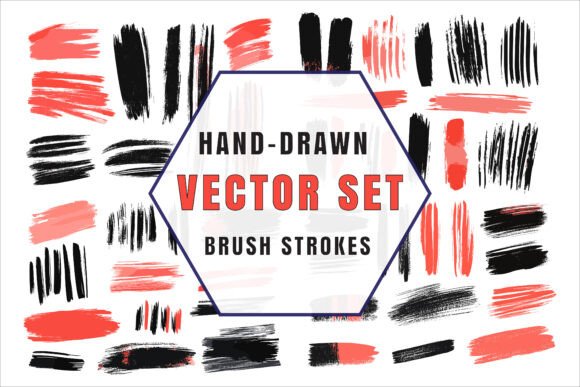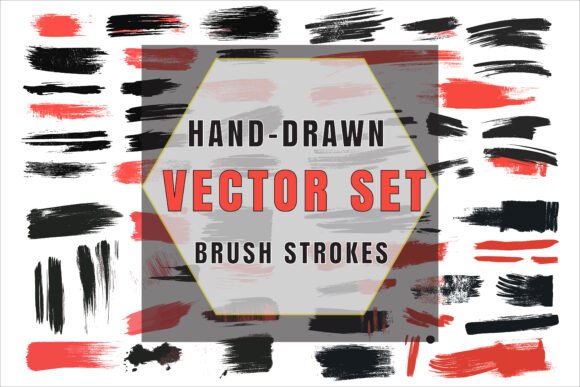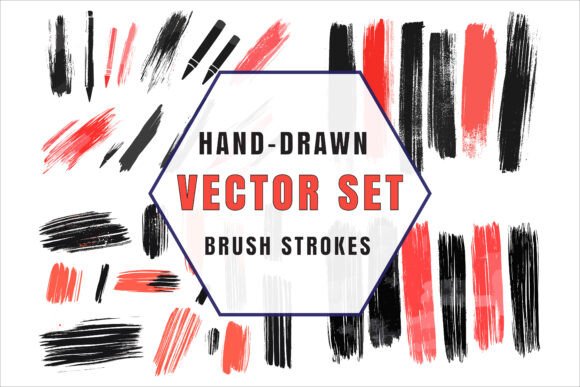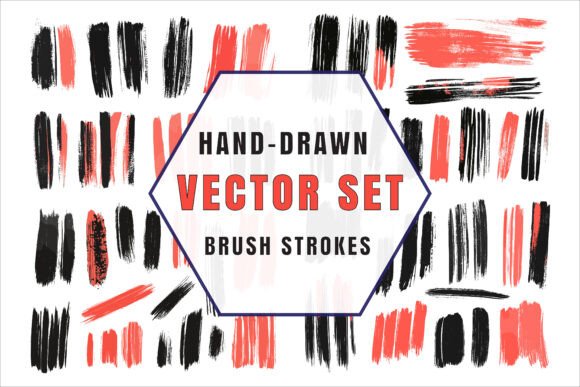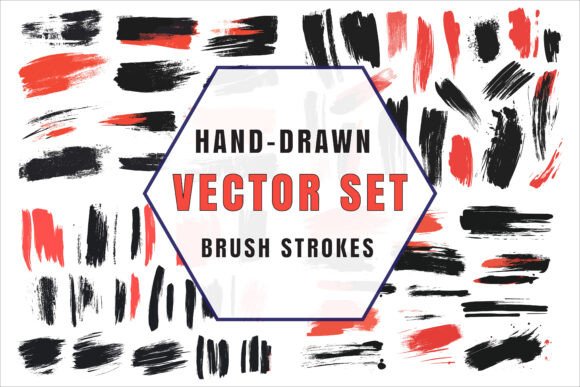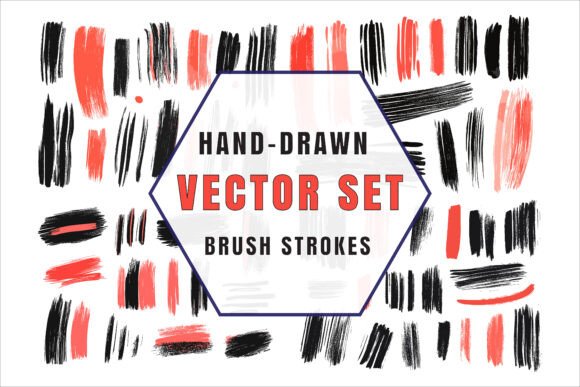
Abstract Brush Strokes Vector Art: The Ultimate Creative Toolkit for Modern Designers
In the fast-paced world of visual communication, standing out often comes down to a single detail. Whether you are launching a new startup, refreshing your personal blog, or designing an invitation for a wedding, the right texture can transform a flat layout into something alive and breathing. This is where Abstract Brush Strokes Vector Art becomes an indispensable asset. Unlike rigid geometric shapes or sterile digital lines, these artistic elements bring the energy of hand-painted ink, the fluidity of watercolor, and the raw emotion of acrylics directly into your digital workspace.
But what exactly makes this type of vector art so powerful? At its core, it captures the organic imperfection of human creativity while retaining the technical precision of scalable vector graphics. You get the look of a messy, expressive painting without the limitations of low-resolution photos or raster images that pixelate when enlarged. It bridges the gap between traditional fine art and modern digital utility, offering a versatile solution for creators who need bold, dynamic visuals that communicate movement and style instantly.
Why Versatility Matters in Your Design Workflow
The true value of Abstract Brush Strokes Vector Art lies in its adaptability. A common frustration for designers and content creators is finding assets that look great on a screen but fail when printed, or vice versa. Because these assets are provided as high-quality vectors, they scale infinitely. You can use a single stroke as a tiny accent on a business card or blow it up to cover a massive billboard without losing a single pixel of clarity.
This flexibility extends beyond just size. The nature of brush strokes allows them to blend seamlessly with various color palettes and design styles. Whether you are aiming for a minimalist aesthetic with a single charcoal swipe or a vibrant, chaotic explosion of color, these elements can be customized to fit the mood. They act as the perfect "glue" between different design components, adding depth and texture that flat colors simply cannot achieve.
What’s Included in Your Creative Bundle
When you acquire a professional set of these resources, you aren't just getting a single image; you are getting a comprehensive toolkit designed for immediate use. Most premium bundles include both EPS Files and JPG Files. The EPS format is essential for professional graphic design software like Adobe Illustrator, allowing you to edit individual paths, change colors, and adjust the flow of the stroke. The JPG versions offer a quick preview or a ready-to-use option for web developers and social media managers who need speed over deep customization.
This dual-format approach ensures that no matter your skill level or the specific tool you are using, you have the right file for the job. It removes the technical barriers that often slow down creative projects, letting you focus on the actual design rather than file conversion issues.
Real-World Applications: From Logos to Wall Murals
The possibilities for using abstract brush strokes are nearly endless, but let's look at how they solve real problems in specific scenarios.
1. Branding and Identity
For entrepreneurs and small business owners, creating a brand identity that feels authentic is crucial. A logo made entirely of sharp corners might feel too corporate, while a purely hand-drawn sketch might lack professionalism. Abstract brush strokes strike the perfect balance. Imagine a tech consultancy using a sleek, flowing blue stroke to suggest innovation and fluidity, or a coffee shop using a warm, textured brown swash to evoke the feeling of freshly ground beans. These elements add a "human touch" to your brand, making it feel approachable and creative.
2. Web and Social Media Design
In the crowded landscape of social media, static images often get scrolled past. Using abstract strokes as background elements or decorative overlays can draw the eye immediately. For instance, a blogger writing about travel could use a vibrant, sweeping stroke behind their headline to suggest motion and adventure. On websites, these strokes can break up large blocks of text, guide the user's eye toward a call-to-action button, or serve as unique dividers that feel more organic than standard horizontal lines.
3. Print and Packaging
Physical products need to pop off the shelf. In packaging design, a subtle, textured brush stroke can elevate a simple product box into a premium experience. Think of a skincare brand using a soft, watercolor-like stroke to imply natural ingredients, or a craft beer label utilizing a bold, ink-splatter effect to convey a rebellious spirit. Similarly, for print materials like flyers, brochures, and posters, these vectors provide the necessary contrast and visual interest to make your message memorable.
4. Textiles and Home Decor
The trend of personalized home decor and custom apparel is booming. Abstract brush strokes translate beautifully onto fabric. They can create unique patterns for clothing, scarves, or tote bags that feel artisanal rather than mass-produced. In interior design, these vectors are perfect for creating custom wall art, canvas prints, or even murals. A large-scale, colorful abstract piece can become the focal point of a living room, adding a contemporary and artistic vibe without requiring the homeowner to be a painter themselves.
5. Events and Stationery
Invitations and business cards are often the first impression you make. Moving away from standard templates, incorporating a unique brush stroke can signal attention to detail. A wedding invitation featuring a delicate, gold-accented swirl feels elegant and bespoke. Conversely, a business card with a striking, high-contrast black stroke communicates confidence and modernity.
Choosing the Right Stroke for Your Project
While the options are vast, selecting the right abstract brush stroke requires a bit of strategic thinking. Before downloading or purchasing, consider the emotional tone you want to convey. Are you looking for something calm and fluid, or energetic and jagged?
- Color and Contrast: Decide if you need a monochromatic stroke for subtlety or a multi-colored gradient for impact. High-contrast strokes work well for headlines, while softer textures are better for backgrounds.
- Direction and Flow: Horizontal strokes can stabilize a design, while diagonal or swirling strokes introduce dynamism and movement. Ensure the direction of the stroke guides the viewer's eye where you want it to go.
- Complexity vs. Minimalism: Sometimes less is more. A single, clean stroke can be more effective than a complex cluster of paint splatters, especially in minimalist designs where whitespace is key.
Bringing Your Vision to Life
Ultimately, Abstract Brush Strokes Vector Art is more than just a collection of files; it is a catalyst for creativity. It empowers users—from seasoned graphic designers to hobbyists crafting their first flyer—to inject personality and professionalism into their work. By leveraging these tools, you move beyond generic templates and create visuals that tell a story.
Whether you are enhancing a digital illustration, designing a new product label, or simply wanting to add a splash of color to your next presentation, these artistic elements provide the foundation for striking, contemporary design. Don't let your projects remain flat and lifeless. Embrace the fluidity, texture, and expressive power of abstract brush strokes to create work that truly resonates with your audience.